

Quick answer
Yes, you can jet ski in Biscayne Bay, but only in designated zones outside Biscayne National Park boundaries and away from marked sanctuary preservation areas. Personal watercraft must observe idle-speed and no-wake zones within 300 feet of shorelines, navigate channels carefully to avoid seagrass damage, and comply with Florida Boating Safety regulations including registration and operator age requirements. Most of the bay's central basin and western shoreline remain open to riders, while the eastern islands and reef tract are restricted.
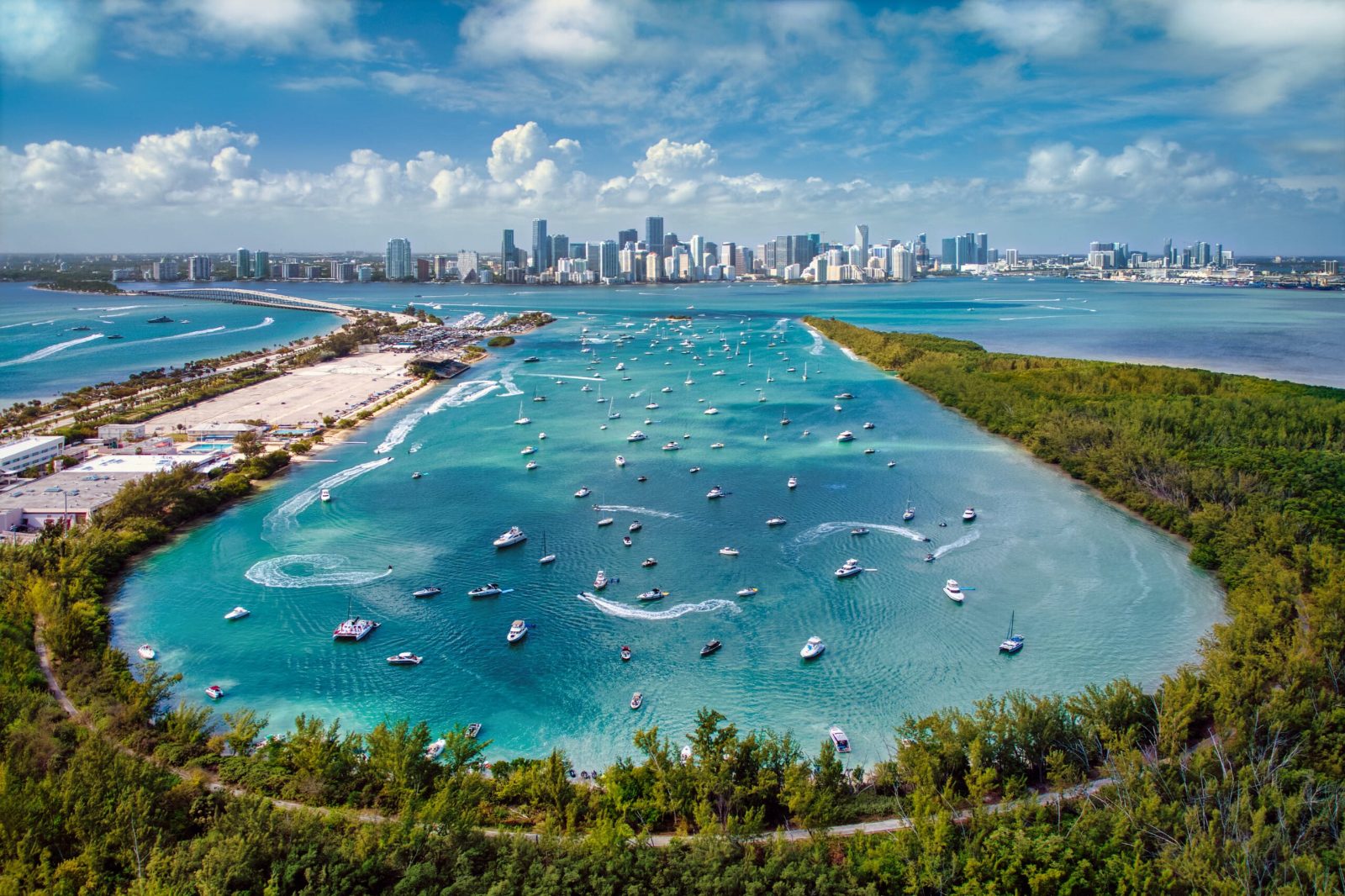
Biscayne National Park encompasses 172,971 acres of the bay's southern and eastern reaches, and personal watercraft are prohibited within park waters year-round. The boundary runs roughly along the Intracoastal Waterway and around the offshore keys, leaving the western mainland shore and northern basin open for recreational use. Watercraft access in Biscayne Bay depends on understanding three regulatory layers. Florida Fish and Wildlife Conservation Commission enforces statewide boating laws, including mandatory vessel registration, kill-switch lanyards, and daytime-only operation for riders under 21. The National Park Service restricts all motorized watercraft from sensitive zones to prevent propeller scarring of seagrass meadows that shelter juvenile fish and manatees. Miami-Dade County adds local idle-speed ordinances near marinas, residential canals, and wildlife refuges. Riders launching from Homestead Bayfront Park, Black Point Marina, or Matheson Hammock gain access to open-water zones where jet skiing is permitted, provided they stay north and west of park markers. The bay's western shallows require vigilant navigation—water depth drops to two feet or less over seagrass flats, and grounding a watercraft here incurs steep fines and ecological harm. Marked channels offer safe passage, but straying into unmarked shallows risks both your machine and a citation. Morning sessions between 9 AM and noon offer the clearest sight lines for spotting channel markers, submerged hazards, and the occasional manatee. Wind speeds increase after midday, turning the bay's shallow waters choppy and reducing visibility through the water column. Operators must carry a sound-producing device, wearable flotation for each passenger, and a fire extinguisher if the watercraft has an enclosed engine compartment. The U.S. Coast Guard patrols federal waters, while Florida Wildlife officers focus on state-managed zones and violation enforcement. Biscayne Bay rewards prepared riders with expansive riding area and quick access from mainland ramps, but the ecosystem's fragility means every launch carries responsibility. Knowing which waters welcome personal watercraft—and which are off-limits—keeps your ride legal and the bay's habitats intact.
“The bay's western shallows require vigilant navigation—water depth drops to two feet or less over seagrass flats, and grounding a watercraft here incurs steep fines and ecological harm.”
Regulations for Jet Skiing in Biscayne Bay
Biscayne National Park enforces strict no-wake zones and wildlife protection rules. Violations carry federal penalties, so understanding operational boundaries is essential before launching.
Do
- Maintain idle speed in designated no-wake zones near mangroves and seagrass beds
- Stay 100 yards from wildlife including manatees, dolphins, and sea turtles
- Carry required Coast Guard safety equipment and valid registration documents
- Follow marked channels when navigating shallow coral reef areas
- Report any wildlife distress or rule violations to park rangers
Don't
- Enter restricted areas marked by buoys around coral reefs or sensitive habitats
- Exceed idle speed within 300 feet of shorelines or mangrove islands
- Approach or chase marine mammals—federal law prohibits harassment of wildlife
- Anchor on seagrass beds or drag equipment across shallow vegetated bottoms
- Operate a jet ski after sunset or before sunrise
- Discard trash, fishing line, or any materials into park waters
Entrance Fees to Can You Jet Ski in Biscayne Bay
Access to Biscayne National Park is free for all visitors. Fees are only applicable if you choose to utilize specific overnight services.
Practical Tips for Can You Jet Ski in Biscayne Bay
Navigating Biscayne Bay requires attention to specific environmental factors to ensure your jet ski excursion remains safe and controlled.
Monitor tide charts
Biscayne Bay is characterized by extensive shallow areas that can become hazardous at low tide. Consult local tide tables before departure to avoid grounding your craft on seagrass beds.
Check water depth
The bay contains numerous sandbars and coral patches that are not always visible from the surface. Stay within marked navigation channels and maintain a safe distance from areas where water color indicates shallow depth.
Wear polarized sunglasses
Polarized lenses are essential for reducing glare on the water surface. This allows you to better identify submerged obstacles, rocks, or shallow zones that would otherwise be hidden.
Use safety lanyards
Always attach the engine cut-off switch lanyard to your life vest while operating. This ensures the jet ski stops immediately if you are thrown from the craft, which is critical in open water.
Understand local currents
Tidal currents near inlets can be significantly stronger than in the open bay. Pay attention to water movement patterns around bridge pilings and channel markers to avoid getting pushed off course.
Check availability
Frequently asked questions about can you jet ski in.biscayne bay
Everything you need to know about can you jet ski in.biscayne bay